
O que é fotografia de manequim fantasma?
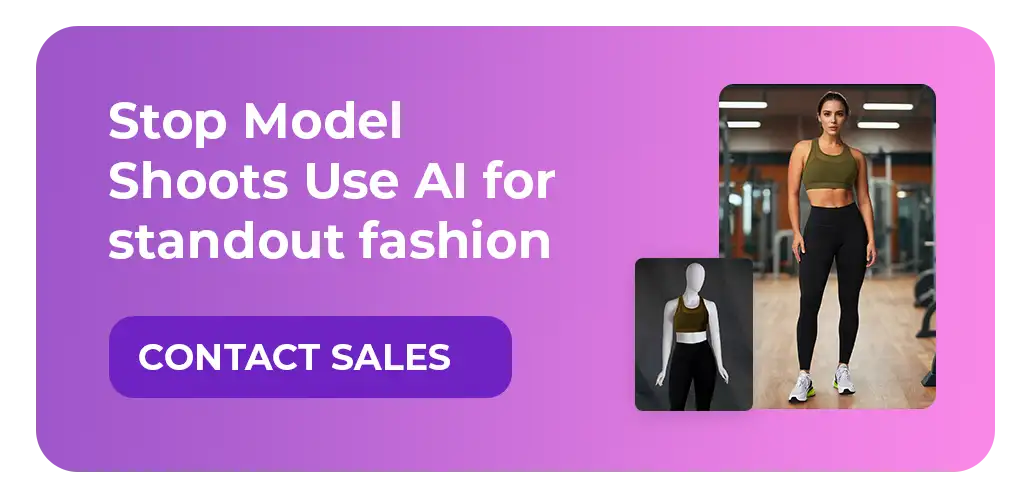
Fotografia de manequim fantasma, também conhecido como efeito manequim invisível, é uma técnica de fotografia profissional usada no comércio eletrônico para criar uma aparência 3D oca para produtos de vestuário. Em vez de exibir o vestuário em um manequim visível ou em um modelo vivo, esse método remove digitalmente o manequim ou modelo durante o pós-processamento, fazendo parecer que a roupa está flutuando no ar.
Por que a fotografia de manequins fantasmas é importante para o comércio eletrônico?
Os compradores on-line dependem muito das imagens dos produtos para tomar decisões de compra. Como eles não podem tocar ou experimentar roupas fisicamente, imagens de alta qualidade são cruciais para transmitir detalhes, caimento e apelo geral do tecido. Fotografia de manequim fantasma oferece uma alternativa econômica e com aparência profissional à tradicional fotografia de moda eliminando distrações e apresentando o vestuário em sua forma realista.
Principais benefícios da fotografia de manequins fantasmas
✅ Cria uma aparência profissional em 3D
O efeito oco e flutuante fornece uma sensação realista de como a roupa se encaixa em uma pessoa, tornando-a mais atraente para os compradores.
✅ Elimine a necessidade de modelos ao vivo
Contratar e estilizar modelos para cada sessão de produtos pode ser caro e demorado. HUM manequim fantasma O efeito alcança resultados semelhantes sem precisar de modelos, cortando custos e garantindo consistência.
✅ Garante uma apresentação limpa e sem distrações
Ao contrário da fotografia de modelo, que inclui expressões faciais, poses ou acessórios, fotografia de manequim invisível mantém o foco apenas no vestuário, resultando em uma apresentação mais limpa e polida.
✅ Economize tempo e dinheiro
Como os manequins podem ser reutilizados para vários produtos, esse método é mais econômico do que contratar modelos profissionais. Também reduz a necessidade de refilmagens frequentes, pois pequenas edições podem ser feitas digitalmente.
✅ Melhore a consistência da marca
Manter um estilo uniforme em todas as imagens do produto cria uma aparência coesa para uma loja on-line, reforçando a identidade e a confiança da marca.
✅ Aumenta as taxas de conversão
Imagens de alta qualidade levam a maiores taxas de engajamento e conversão, pois os compradores podem visualizar melhor a aparência das roupas.
Por que usar a fotografia de manequins fantasmas?
Fotografia do produto de manequim fantasma tornou-se uma técnica essencial para empresas de comércio eletrônico de moda, mercados on-line e marcas de vestuário. Ela oferece inúmeras vantagens em relação à fotografia tradicional de produtos, aprimorando a forma como as roupas são apresentadas aos compradores on-line. Abaixo estão os principais motivos pelos quais esse método é amplamente adotado:
1. Cria um efeito 3D realista
Ao contrário de fotografias planas ou roupas exibidas em cabides, manequim fantasma as imagens fornecem uma forma natural e estruturada, dando aos compradores uma ideia clara de como o vestuário se encaixa. O efeito oco imita a forma como a roupa apareceria em uma pessoa sem a distração de um modelo ou manequim visível.
📌 Exemplo: Imagine um moletom com capuz sendo fotografado usando uma técnica plana. Sem dobras e volume, o capuz pode parecer sem vida e desagradável. No entanto, usando um fotografia de manequim fantasma Na técnica, o capuz aparece preenchido, destacando os ombros, as mangas e o formato do capuz, tornando-o visualmente mais atraente.
2. Elimine a necessidade de modelos ao vivo
Usar modelos ao vivo pode ser caro e demorado devido aos custos associados a:
✔ Contratação de modelos para cada sessão de fotos.
✔ Coordene estilo, maquiagem e pose.
✔ Refilmagem quando mudanças de estoque ou novas variações são introduzidas.
Com fotografia de manequim invisível, as marcas podem obter um efeito semelhante sem a necessidade de modelos humanos, economizando tempo e dinheiro e mantendo uma aparência profissional e de alta qualidade.
📌 Exemplo: um pequeno varejista de moda que lança uma nova linha de vestidos não precisa contratar um modelo para cada peça. Em vez disso, usando um sessão de fotos de manequim Com técnicas de abordagem e edição, eles podem criar imagens de produtos consistentes e de alta qualidade por uma fração do custo.
3. Garante uma apresentação limpa e sem distrações
Fotografia de manequim fantasma concentra-se inteiramente no vestuário, eliminando quaisquer distrações como:
❌ Expressões faciais e poses do modelo.
❌ Acessórios que podem não estar incluídos na compra.
❌ Desordem de fundo que desvia a atenção da roupa.
Essa abordagem minimalista ajuda os clientes a visualizar o produto com clareza, resultando em um melhor engajamento e menos distrações ao tomar uma decisão de compra.
📌 Exemplo: um cliente que está navegando on-line em busca de um casaco de inverno quer ver sua textura, ajuste e detalhes de design. Se o casaco for exibido em um modelo com acessórios adicionais (como cachecóis, luvas ou joias), o foco se desvia do próprio produto. Fotografia do produto de manequim fantasma elimina essas distrações, mantendo a atenção do comprador no cassino.
4. Economize tempo e custos a longo prazo
Embora a configuração inicial do fotografia de manequim fantasma requer algum esforço, em última análise:
✔ Reduz a necessidade de refilmagens frequentes.
✔ Reduz as despesas com a contratação de modelos repetidamente.
✔ Permite atualizações fáceis de imagens sem exigir uma sessão de fotos inteira.
Em vez de confiar em um modelo para cada nova coleção ou atualização sazonal, as empresas podem simplesmente colocar as novas roupas em um manequim, capturar as imagens e editá-las adequadamente. Saiba como a fotografia consistente de produtos pode aumentar as taxas de conversão em até 30% em Artigo da Shopify.
📌 Exemplo: a Peepers, uma marca de óculos expressiva, melhorou suas taxas de conversão refilmando cada imagem de produto para produzir fotos maiores e mais vibrantes. Esse aprimoramento, junto com descrições de produtos mais convincentes, contribuiu para um aumento de 30% nas conversões.
5. Melhora a consistência da marca em todas as listas de produtos
O sucesso do comércio eletrônico depende de uma marca consistente e fotografia do produto de manequim fantasma garante que todas as imagens do produto sigam o mesmo estilo visual, criando uma aparência uniforme e profissional em todo o site e nos mercados.
✔ Mesma iluminação e ângulos para todas as roupas.
✔ Planos de fundo e porções de imagem idênticas.
✔ Graus de produtos e vitrines mais atraentes.
📌 Exemplo: ao navegar em um site de comércio eletrônico de moda como Zara ou ASOS, os clientes veem um tema visual coeso em todas as imagens do produto. Essa consistência gera confiança e reconhecimento de marca, fazendo com que a loja pareça mais profissional.
Onde a fotografia de manequim fantasma é usada?
Essa técnica é amplamente utilizada em:
- Sites de comércio eletrônico de moda (por exemplo, ASOS, Zara, Nike)
- Mercados on-line (por exemplo, Amazon, eBay, Etsy)
- Catálogos e lookbooks de marcas
- Anúncios de mídia social e materiais promocionais
Etapa 1: Escolha a configuração e o equipamento corretos
Seja usando um smartphone ou uma câmera DSLR, uma configuração adequada é crucial para obter resultados de alta qualidade em fotografia de manequim fantasma.
O que você precisa:
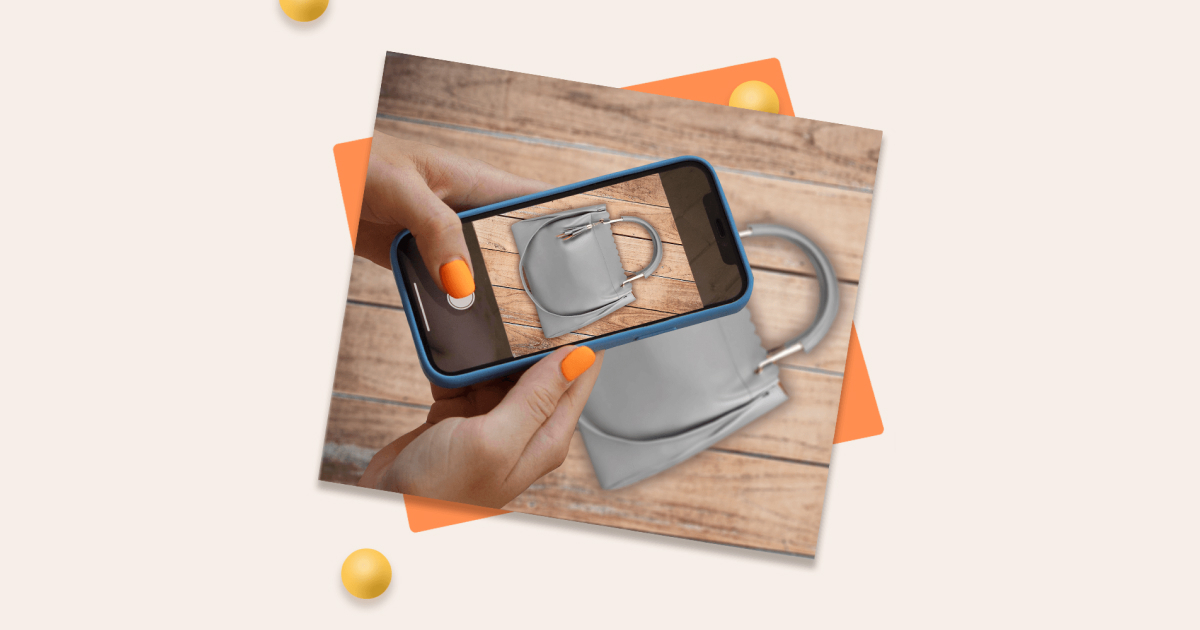
✅ Câmera ou smartphone — Uma DSLR é ideal, mas um smartphone com uma câmera de alta qualidade (conforme sugerido pelo Photoroom) também pode funcionar.
✅ Tripé (opcional) — Ajuda a manter a consistência.
✅ Configuração de iluminação — Use luz natural ou uma configuração de estúdio com duas luzes softbox (recomendação do BigCommerce).
✅ Fundo branco liso — Uma parede branca ou um pano de fundo perfeito garantem uma edição mais fácil.
✅ Manequim ou modelo — Escolha um manequim branco fosco (BigCommerce) ou até mesmo use um amigo ou você mesmo (Photoroom).
Etapa 2: Fotografar o produto
1. Visualização do manequim ou modelo adequadamente
Garanto que a roupa caiba bem, evitando rugas. Coloque as áreas soltas (mangas, golas, etc.) para uma aparência mais estruturada.
2. Capture várias fotos
Para uma perfeita manequim fantasma efeito, capture essas fotos principais: 📸 Vistas frontal e traseira com o manequim/modelo vestindo o item. 📸 Uma foto de dentro para fora da roupa colocada em uma placa de espuma (técnica do BigCommerce) ou em uma superfície plana (abordagem simplificada do Photoroom).
3. Posicionamento e iluminação da câmera
Para cima: mantenha a câmera nivelada com a área do peito. Para a parte inferior: alinhe a câmera com a área do quadril. Iluminação: posicione as luzes em ângulos de 45 graus para minimizar sombras fortes. Escola de Fotografia Digital enfatiza a importância da iluminação adequada para destacar detalhes na fotografia. Por exemplo, seu artigo “O que é boa luz? (And How to Use It for Beautiful Portraits)” discute como a iluminação lateral pode criar formas, tons e texturas ao definir realces e sombras.
Etapa 3: Editando para obter o efeito Ghost Mannequin
Depois que as fotos são capturadas, a verdadeira mágica acontece no pós-processamento de fotografia do produto de manequim fantasma.
Método manual do Photoshop
1 ️ ․ Abra as imagens do manequim e da placa de espuma no Photoshop.
2 ️ ․ Use uma ferramenta de seleção (Ferramenta Caneta ou Ferramenta de Seleção Rápida) para remover o manequim.
3 ️ ․ Sobreponha a imagem de dentro para fora (da foto da placa de espuma) para preencher as áreas que faltam (pescoço, mangas, etc.).
4 ️ ․ Misture e refine as imagens para obter uma aparência 3D perfeita.
5 ️ ․ Adicione sombras para obter um efeito mais realista.
Edição com tecnologia de IA
Carregar imagens para Dresma para remover o manequim automaticamente. A IA mesclará as diferentes fotos em uma única imagem de efeito oco. Ajuste as sombras e refine as bordas usando as ferramentas de remoção e retoque de fundo da Dresma.
Toques finais e exportação
Verifique se todas as bordas estão limpas e que a imagem final tenha uma aparência perfeita. Economize em alta resolução para plataformas de comércio eletrônico. Exporte em JPEG ou PNG com fundo transparente ou branco.
Conclusão: Qual método é ideal para você?
A escolha do método fotográfico certo para sua marca de roupas depende de vários fatores, incluindo orçamento, necessidades de marca, tipo de produto e estratégia de marketing. Cada método—fotografia de manequim fantasma, fotografia de argila plana, e filma modelos ao vivo — tem suas próprias vantagens e é adequado para diferentes objetivos de negócios.
Abaixo, detalharemos as considerações para ajudar você a decidir qual método é mais adequado para sua marca.
1. Quando escolher a fotografia do manequim fantasma
✔ Ideal para: lojas de comércio eletrônico, marcas de moda e mercados on-line que procuram uma maneira limpa, profissional e econômica de exibir roupas.
✔ Por quê? Fotografia de manequim fantasma cria um efeito 3D realista sem distrações, garantindo que os clientes se concentrem exclusivamente no produto. Também é econômico em comparação com a contratação de modelos ao vivo.
📌 Casos de uso ideais:
- Marcas de vestuário que vendem na Shopify, Amazon ou WooCommerce.
- Empresas que buscam imagens de produtos consistentes e sem distrações.
- Marcas que precisam de uma solução econômica para fotografias de alto volume.
❗ Limitação potencial: embora eficaz para exibir estrutura e ajuste, fotografia do produto de manequim fantasma não mostra movimento ou fluxo de tecido, o que pode ser essencial para marcas de luxo ou de alta moda.
2. Quando escolher a fotografia de modelo ao vivo
✔ Ideal para: marcas de moda sofisticadas, marcas de estilo de vida e marketing de mídia social.
✔ Por quê? Usar modelos ao vivo adiciona uma conexão emocional, mostrando como as roupas se adaptam a diferentes tipos de corpo e, ao mesmo tempo, destacando a personalidade da marca.
📌 Casos de uso ideais:
- Marcas com foco em marketing de moda e narrativa.
- Empresas que precisam de fotos de estilo de vida para anúncios, Instagram e lookbooks.
- Linhas de roupas que enfatizam o movimento, a textura do tecido ou o drapeado.
❗ Limitação potencial: A fotografia de modelo ao vivo é cara e demorada, exigindo:
✔ Honorários de modelos e estilistas
✔ Fotógrafos profissionais
✔ Refilmagens frequentes para novas coleções
Para marcas que vendem grandes catálogos de produtos, esse método pode não ser econômico em comparação com sessão de fotos de manequim técnicas.
3. Quando escolher a foto Flat Lay
✔ Ideal para: marcas casuais, pequenas empresas e conteúdo de mídia social.
✔ Por quê? A fotografia em formato plano é versátil, fácil de executar e requer o mínimo de equipamento. Ele permite que as marcas experimentem composições e estilos criativos.
📌 Casos de uso ideais:
- Marcas de streetwear e casuais que desejam imagens estéticas compatíveis com o Instagram.
- Pequenas empresas com orçamentos limitados e Fotografia DIY configurações.
- Acessórios, sapatos e itens de vestuário menores que não exigem um efeito 3D.
❗ Limitação potencial: a fotografia plana não fornece uma aparência 3D estruturada, o que a torna menos eficaz para mostrar o ajuste e a forma em comparação com fotografia de manequim invisível imagens.